

What is isometric training?
Isometric training means producing force without visible joint movement. Instead of lifting and lowering a weight, you push, pull, hold, squeeze, or brace against resistance while your body position stays mostly still.
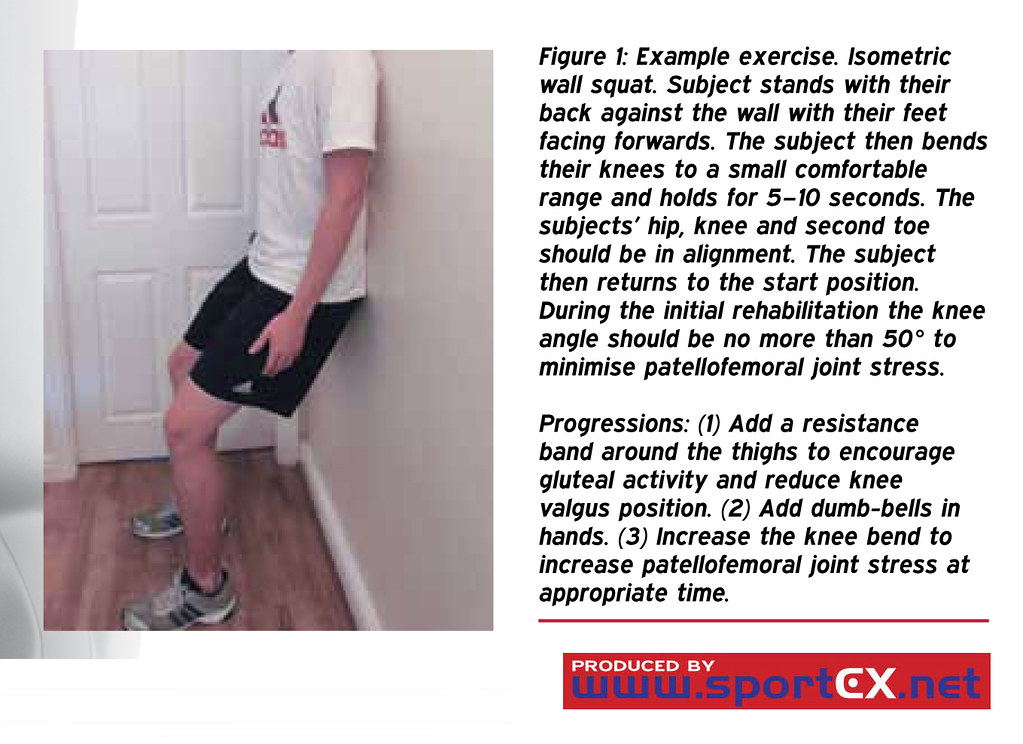
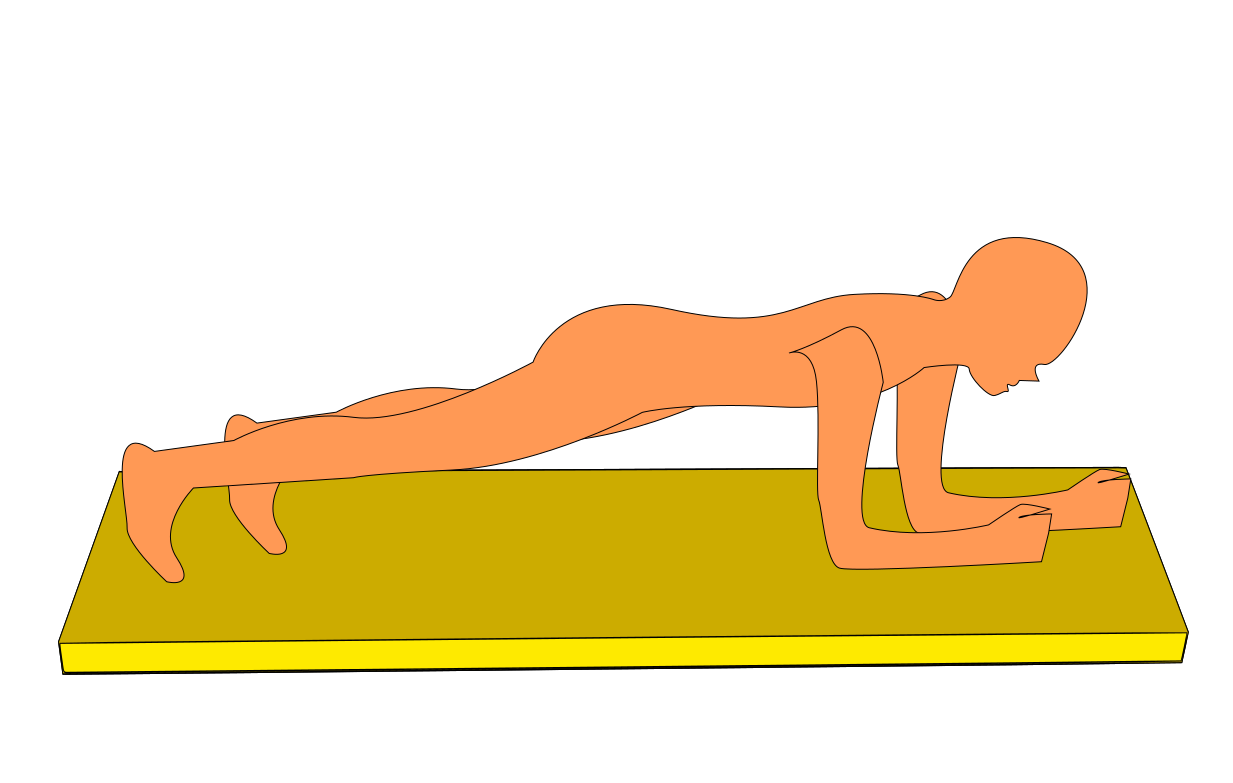
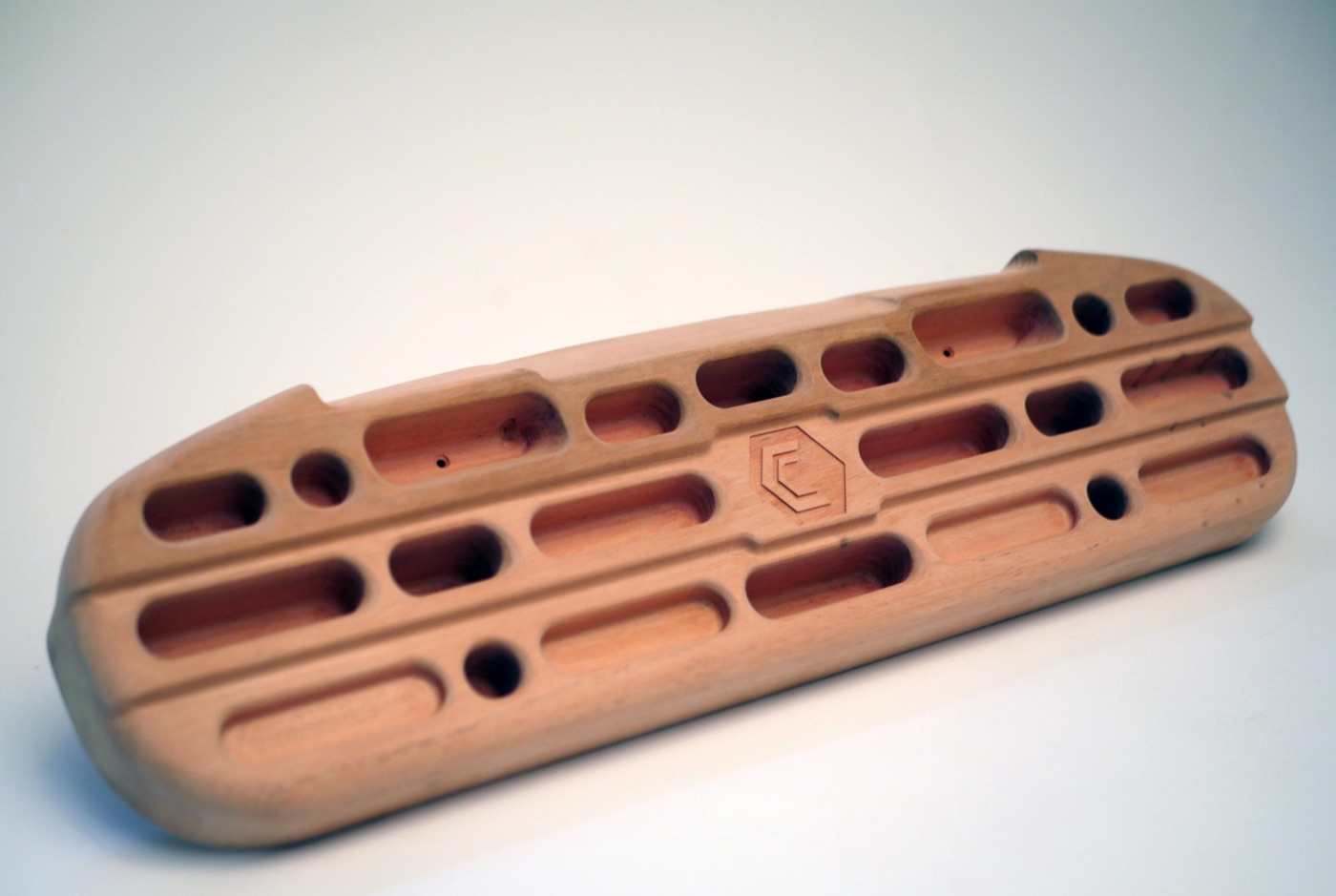
A wall sit is isometric because your legs work hard while your knees remain at roughly the same angle. A plank is isometric because your trunk muscles resist movement. A climber holding a small edge on a hangboard is also performing an isometric contraction: the fingers and forearms create force to maintain position.
For climbers, isometric strength matters because many climbing positions are not smooth gym-style repetitions. You often need to hold body tension, lock a position, grip a hold, pause before the next move, or produce force through the fingers while the joint angle changes very little.
Isometric vs isotonic exercise
Muscle actions are often described in three broad ways: concentric, eccentric, and isometric. In simple terms, isometric training is “holding force.” Isotonic exercise usually involves movement through a range of motion, such as squats, pull-ups, push-ups, or rows.
Neither is better in every situation. Isotonic exercises are useful for building strength through movement. Isometric exercises are useful for building or testing force in specific positions. Most athletes benefit from both.
Benefits of isometric training
Isometric training is useful because it is simple, scalable, and easy to adapt.
1. Strength in specific positions
Isometrics can help you build strength where you actually need it. Climbers may use this for finger positions, shoulder stability, lock-off positions, or core tension.
2. Low movement complexity
Because the position is mostly static, isometrics can be easier to learn than complex dynamic lifts. A beginner can often understand “hold this position” faster than a technical multi-joint movement.
3. Useful when space or equipment is limited
Many isometric exercises require little equipment: planks, wall sits, dead hangs, hollow holds, or pushing against an immovable object.
4. Easy to measure with the right tool
When force is measured, an isometric effort can become a repeatable test. Instead of asking “did that feel stronger?”, you can compare force output, duration, or trends over time.
Common isometric exercise examples
Bodyweight examples
- Plank
- Side plank
- Wall sit
- Glute bridge hold
- Hollow body hold
- Dead bug hold
Strength training examples
- Paused squat
- Split squat hold
- Isometric mid-thigh pull
- Static lunge hold
- Farmer hold
- Push-up hold
Climbing-specific examples
- Hangboard edge hold
- Half-crimp hold
- Open-hand hold
- Pinch block hold
- 90-degree lock-off
- Shoulder engagement hold
- Core tension hold on the wall
Safety: how to train isometrics responsibly
Isometric training can be intense because it allows high force output in a fixed position. Warm up first, avoid sharp pain, start submaximal, control breathing, respect recovery, and increase one variable at a time. If you have cardiovascular concerns, injuries, or medical conditions, consult a qualified professional before hard isometric training.
Frez is a training and measurement tool, not a medical device. It should not be used to diagnose, treat, or ignore pain or injury.
Why isometric training matters for climbing
Climbing rewards the ability to create force in very specific positions: holding a small edge while moving the feet, maintaining a half-crimp position, locking off to reach a distant hold, keeping shoulder tension on steep terrain, and resisting barn-door rotation with core tension.
Finger strength is especially position-specific. A climber may feel strong in open-hand positions but weaker in half crimp, or strong on larger edges but limited on smaller edges. Isometric testing and training can help reveal these differences.
Measuring isometric training with Frez
Many climbers train by feel: “that felt hard,” “I think I’m stronger,” or “this edge feels easier.” Feeling matters, but it can be inconsistent. Sleep, skin, stress, warm-up quality, and motivation all affect perception.
Frez helps climbers bring measurement into isometric training. With a compatible setup, you can use Frez to record force during climbing-specific efforts such as finger pulls, holds, or structured tests. The goal is not to chase a number every session, but to understand trends.
Useful things to track include maximum voluntary effort in a consistent position, left-right differences, force output across grip types, changes after a training block, readiness compared with your normal baseline, and consistency across repeat attempts.
Beginner isometric routine for climbers
Start with 1–2 sessions per week depending on your climbing schedule and recovery.
- Warm up for 10 minutes.
- Wall sit: 3 sets of 20–40 seconds.
- Plank: 3 sets of 20–45 seconds.
- Active hang: 3 sets of 10–20 seconds.
- Easy finger isometric: 3–5 sets of 5–10 seconds, with controlled intensity.
- Optional Frez measurement: record a small number of consistent efforts with notes.
FAQ
Is isometric training good for beginners?
Yes, if the intensity is appropriate. Beginners should start with simple holds such as planks, wall sits, and low-intensity climbing-specific positions before trying maximal finger efforts.
Can isometric training build muscle?
It can contribute to strength and muscle adaptation, especially when programmed with enough effort and volume. However, dynamic training through a range of motion is also useful.
How long should an isometric hold be?
It depends on the goal. General strength or endurance holds may last 10–45 seconds. Maximal force tests are often shorter. For climbing fingers, quality and consistency matter more than simply holding as long as possible.
How does Frez help?
Frez helps climbers measure force during isometric training so they can compare consistent efforts over time.
References
- Mayo Clinic: Isometric exercises: Good for strength training?
- Healthline: Isometric Exercises Examples and Benefits
- Medical News Today: Isometric exercises: Benefits and risks
- Oranchuk DJ et al.: Isometric training and long-term adaptations
Image credit
Image credits: cover photo by Rawpixel, CC0/public domain; wall sit by sportEX journals, CC BY-ND 2.0; plank by Pk0001, CC BY-SA 4.0; hangboard by Fleebley, CC BY-SA 4.0.


